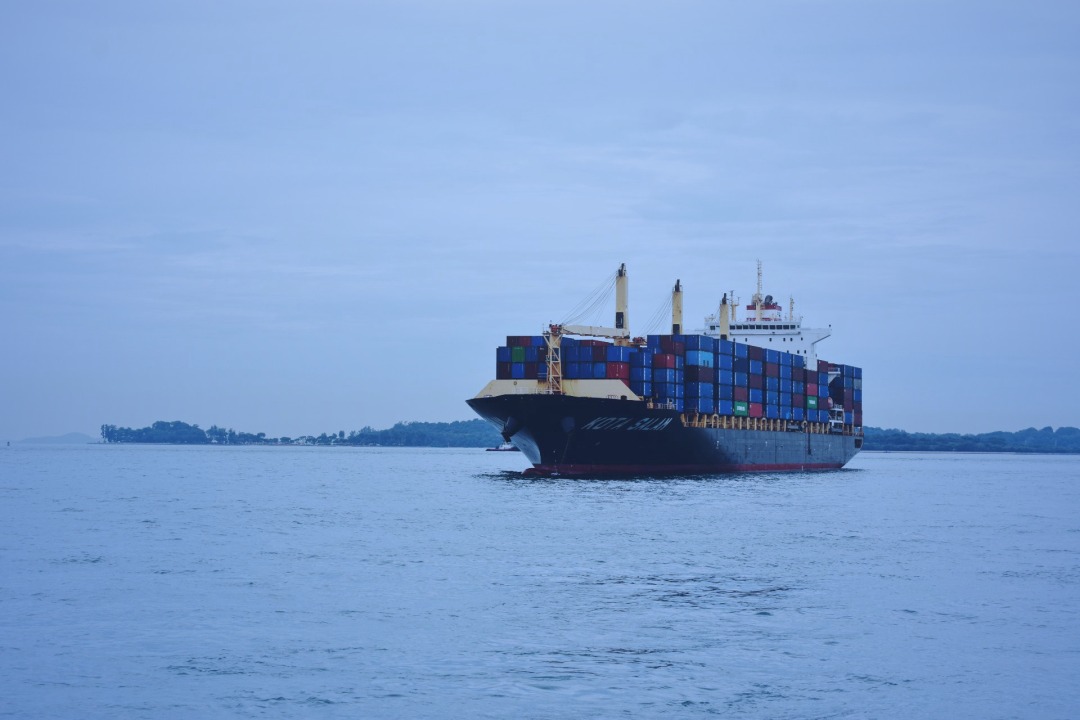
Sea freight. Built for volume.
FCL and LCL ocean shipping from China — matched to your budget and delivery target.
Discuss your shipment
Lower cost per CBM. A realistic arrival plan.
Ocean freight offers strong per-unit savings for bulk cargo. The cheapest published schedule is not always the right route: blank sailings, weather, transshipment and congested ports can change arrival dates.
Clear scope from origin handling to the agreed delivery point.
FCL & LCL
Full-container loads, including dry and reefer equipment, and less-than-container loads from China’s main ports.
Core destinations
Main trade lanes to Europe, Australia, New Zealand and North America.
End-to-end scope
Factory pickup, export customs clearance, bill of lading issuance, and port-to-port or complete door-to-door delivery.
Practical checks before cargo starts moving.
Match the route
Assess carriers and trade lanes against volume, budget and your required arrival date.
Set realistic expectations
Use operational experience alongside published carrier timetables.
Monitor disruption
Track vessels and flag blank sailings and port congestion early.
Prepare alternatives
Plan backup routing for peak-season capacity constraints.
Typical requirements we support.
Regular replenishment
Inventory programs with a planned order cycle.
Bulky, non-urgent goods
Furniture, houseware, construction materials, machinery, packaging and industrial goods.
Cost-led procurement
Buyers prioritizing competitive ocean freight cost per CBM.
Plain-language explanations for your shipment planning.
A cancelled departure
A carrier cancels a scheduled sailing to adjust capacity. Cargo may roll to the next departure.
An intermediate vessel transfer
Cargo changes vessels at a hub, adding lead time and handling exposure.
Waiting for an available berth
Vessels queue offshore before unloading, extending the original schedule.