
Many suppliers. Proven outcomes.
Four client projects showing how consolidation connects suppliers, documents and delivery.
Discuss your shipment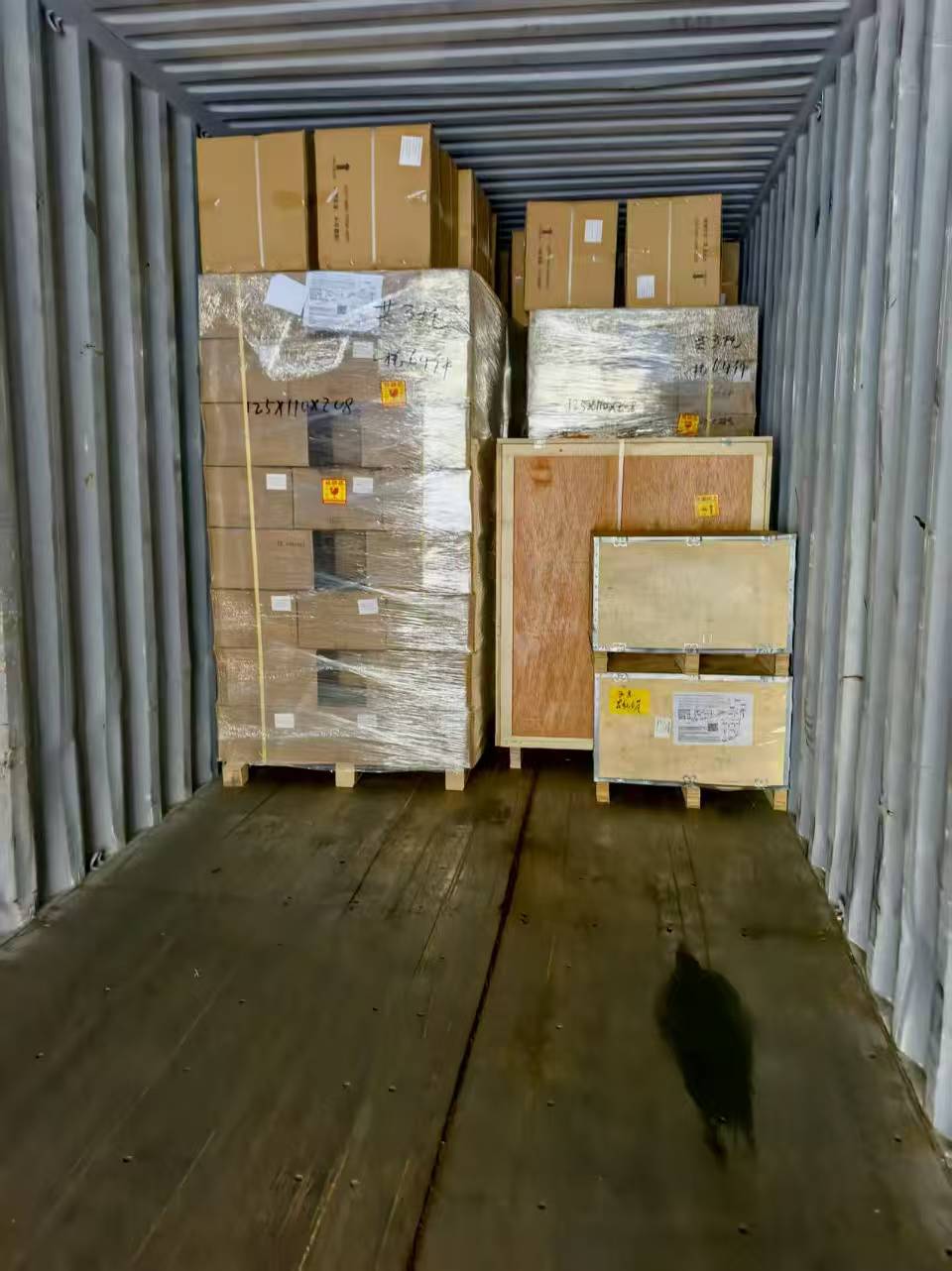
The client
A Latin American trading company sources a wide mix of goods from Chinese manufacturers for downstream enterprise buyers: cosmetic & beauty packaging, machinery and accessories, construction supplies, plus autoparts and miscellaneous merchandise. They consolidate mixed cargo into full containers, manage their own import customs clearance and duties, and distribute goods to their end customers.
Case-specific results from the supplied customer material.
15 → 1
Separate shipments → consolidated shipment
88%
Practical usable container space utilized
1 × 40HQ
Loading plan · Layout sample after formal engagement
Choose a topic to read the full case detail.
The operational challenge
The client’s core focus lies in sales and procurement, yet they have limited local manpower inside China. Coordinating a dispersed network of suppliers and building optimized loading plans took substantial internal effort. Without consolidation optimization, fragmented shipments drove higher logistics costs including destination customs warehouse fees and heavy ongoing followup overhead.
What WIT coordinated
WIT Logistics acted as their ontheground China team. We interfaced directly with every supplier, developed spacemaximizing loading layouts and managed full warehouse consolidation. What were 15 separate small shipments were combined into one single coordinated container movement.
The recorded outcome
Before: 15 suppliers generating 15 individual shipments with separate document sets; internal staff spent extensive time chasing each vendor
After: 1 consolidated shipment with one unified document set, 88% container space utilization
Consolidation brought a 20% reduction in percontainer logistics cost. Based on client feedback, internal supplier followup workload was reduced by the equivalent of 2 months’ work. All export declarations were crosschecked and Bills of Lading issued accurately — no customs hold, no vessel delays and no costly document amendments.
What was checked before departure
We fully crossvalidate export declarations and bill of lading details prior to vessel departure, eliminating risks of customs holds, vessel postponements and expensive postshipment document amendments.
What changed for the client
Freight and destination warehouse expenses are lowered significantly. The client’s internal team can refocus capacity on core sales and procurement activities. Better container utilization also improves price competitiveness for their endmarket customers.
Case-specific results from the supplied customer material.
4 → 1
Separate shipments → consolidated shipment
98%
Practical usable container space utilized
1 × 20GP
Loading plan · Layout sample after formal engagement
Choose a topic to read the full case detail.
The operational challenge
While the client maintains dedicated sales and procurement teams, they lack deep inhouse logistics expertise to oversee end-to-endshipping. Hiring a dedicated fulltime logistics specialist could not be justified for this workload.
What WIT coordinated
We functioned as their outsourced China-basedshipping department. WIT aligned supplier delivery schedules against target vessel cutoffs and completed full cargo consolidation work.
The recorded outcome
Before: 4 suppliers producing 4 separate shipments, each requiring independent documentation and vendor followup
After: 1 consolidated shipment with unified documentation, 98% container space utilization
All lithiumbattery compliance documents were crosschecked and preapproved with carriers ahead of cargo readiness — zero carrier holds and no vessel delays.
What was checked before departure
Carrier battery approvals typically take 35 working days subject to carrier approval. We complete this compliance review well before goods are ready to ship, helping keep ecommerce stock replenishment on track.
Timing note: the source case states 35 working days, while the supplied FAQ states 3–5. Confirm the applicable carrier approval lead time with WIT before planning.
What changed for the client
Internal procurement manpower overhead is reduced, alongside overall freight spend driven by high container utilization. Reliable leadtimes protect online inventory levels, prevent stock-outs and preserve store revenue.
The client
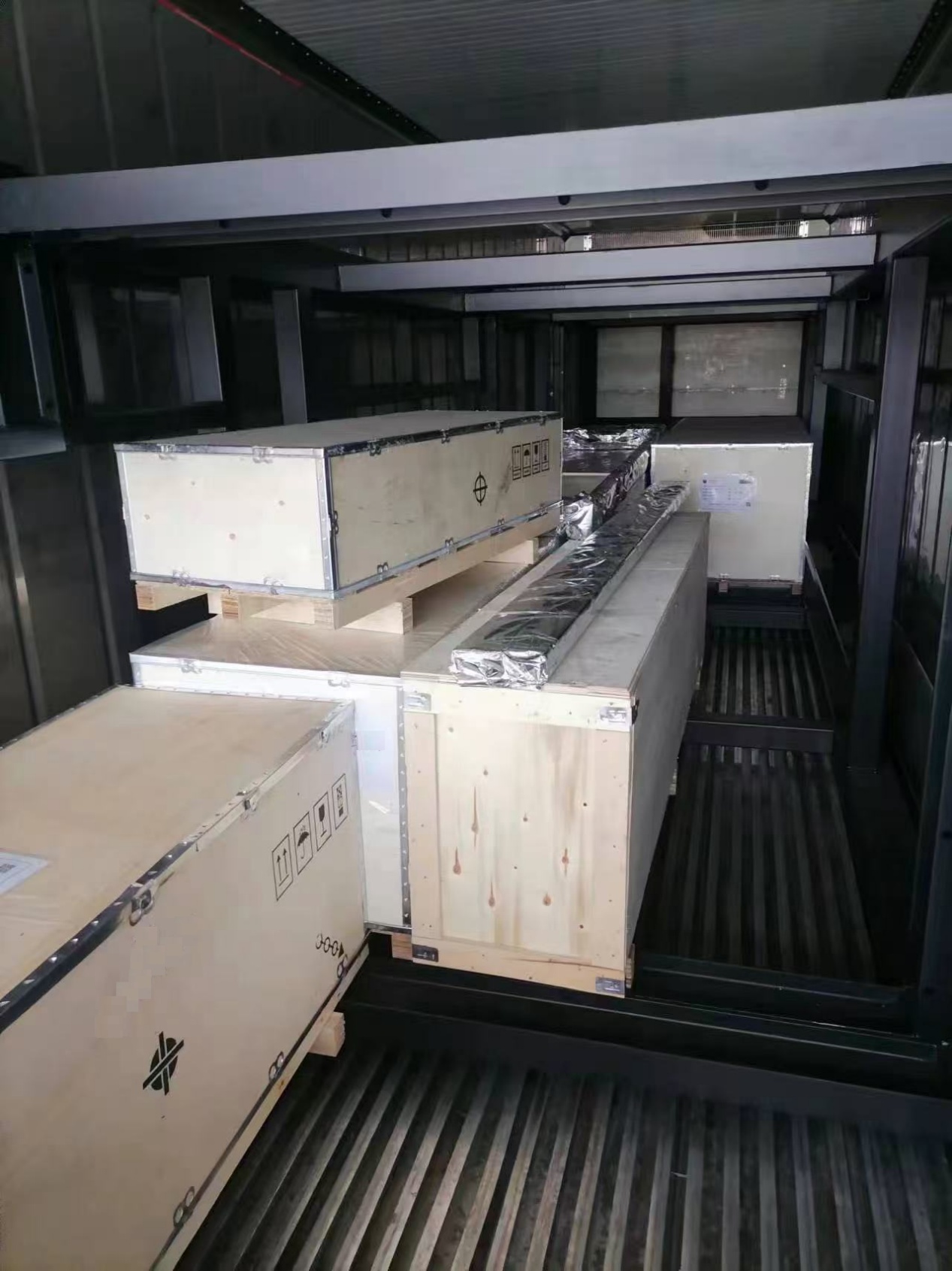
An Australian construction contractor sources building materials from China including plywood, stone products, cement goods, windows, doors and bathroom fixtures. Orders originate from many different factories and often do not fill a full container individually.
Case-specific results from the supplied customer material.
3 → 1
Separate shipments → consolidated shipment
85%
Practical usable container space utilized
1 × 40NOR
Loading plan · Layout sample after formal engagement
Choose a topic to read the full case detail.
The operational challenge
Australia maintains strict biosecurity import requirements (administered by DAFF, formerly AQIS). Both Chinese export and Australian import paperwork must be thoroughly prevetted before shipment to avoid costly portside holds.
What WIT coordinated
WIT served as their fullservice shipping agent. We coordinated stakeholders both at origin and destination to ensure complete, compliant documentation and timely lodgment of importrelated paperwork, minimizing arrivalport hold risks.
The recorded outcome
Before: 3 suppliers creating 3 discrete shipments, separate document packages and continuous clientside supplier chasing
After: 1 consolidated shipment with unified documentation, 85% container space utilization
Fumigation stamps on solidwood packaging were verified, and we inspected cargo contents for undeclared solidwood material. There were no biosecurity holds and no Australian import clearance delays.
What was checked before departure
Preshipment checks on cargo and wood packaging reduce the likelihood of biosecurity intervention upon arrival in Australia.
What changed for the client
We combined the client’s 46 CBM partial orders within a 40’NOR unit. This container delivers volume close to a 40GP with payload capacity comparable to a 40HQ, at a more competitive freight rate than standard dry containers. This solved their practical problem: a 20’GP lacked enough room, yet their dense cargo could not fully fill a 40HQ. Proactive biosecurity compliance avoids constructionsite delays and potential penalties, keeping overall project timelines on schedule.
The client
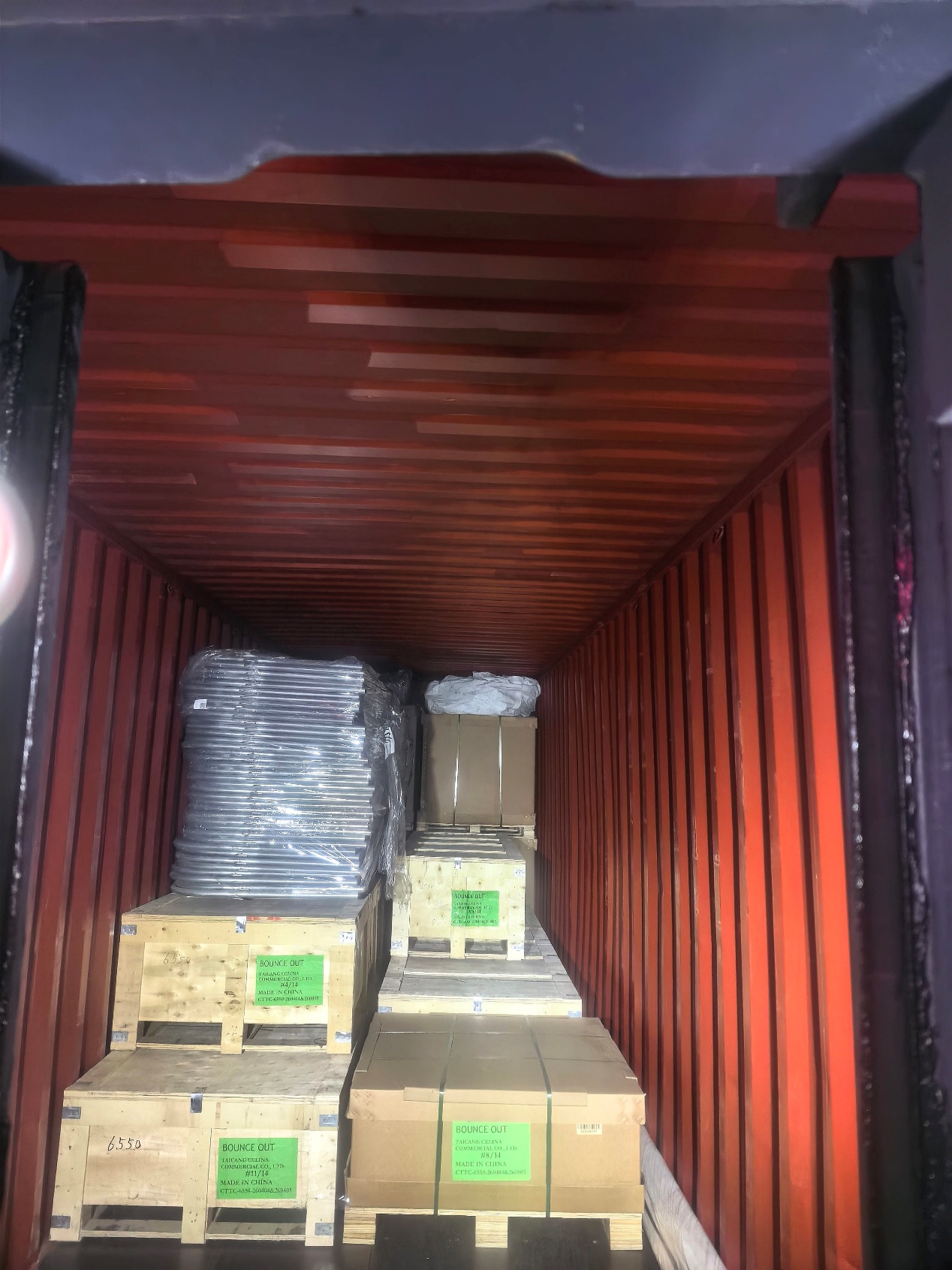
A USbased outdoor supplies provider delivers outdoor project solutions for enterprise clients, including stainlesssteel goods. These products fall under tariff 9903.82.02, which carries an additional 50% import duty.
The additional 50% duty under tariff 9903.82.02 is reported in the supplied project record; it is not a current-rate quotation. Confirm the applicable classification and rate with your customs broker.
Case-specific results from the supplied customer material.
3 → 1
Separate shipments → consolidated shipment
93%
Practical usable container space utilized
1 × 40HQ
Loading plan · Layout sample after formal engagement
Choose a topic to read the full case detail.
The operational challenge
The project had tight delivery timelines. This supplementary 50% duty formed a substantial cost burden on top of standard import tariffs. Balancing transit speed and total landed cost was essential to build a viable shipping workflow.
What WIT coordinated
As their Chinaside endtoend freight forwarder, WIT coordinated all suppliers, and selected the optimal routing and carrier to keep ontime project delivery.
The recorded outcome
Before: 3 suppliers requiring 3 separate shipments, independent documents and client vendor coordination
After: 1 consolidated shipment with unified documentation, 93% container space utilization
ISF filing was fully completed and confirmed before vessel departure. No latefiling penalties occurred, and US customs clearance proceeded without delay.
What was checked before departure
We prepare, file and secure ISF confirmation prior to sailing, eliminating the risk of latefiling fines and port clearance delays upon arrival in the US.
What changed for the client
Multisupplier consolidation boosts container utilization and cuts the client’s document administration workload. Careful carrier and route selection balances transit reliability and freight spend. This helps offset the financial pressure from the 50% supplementary duty and keeps the client’s project rollout on schedule.